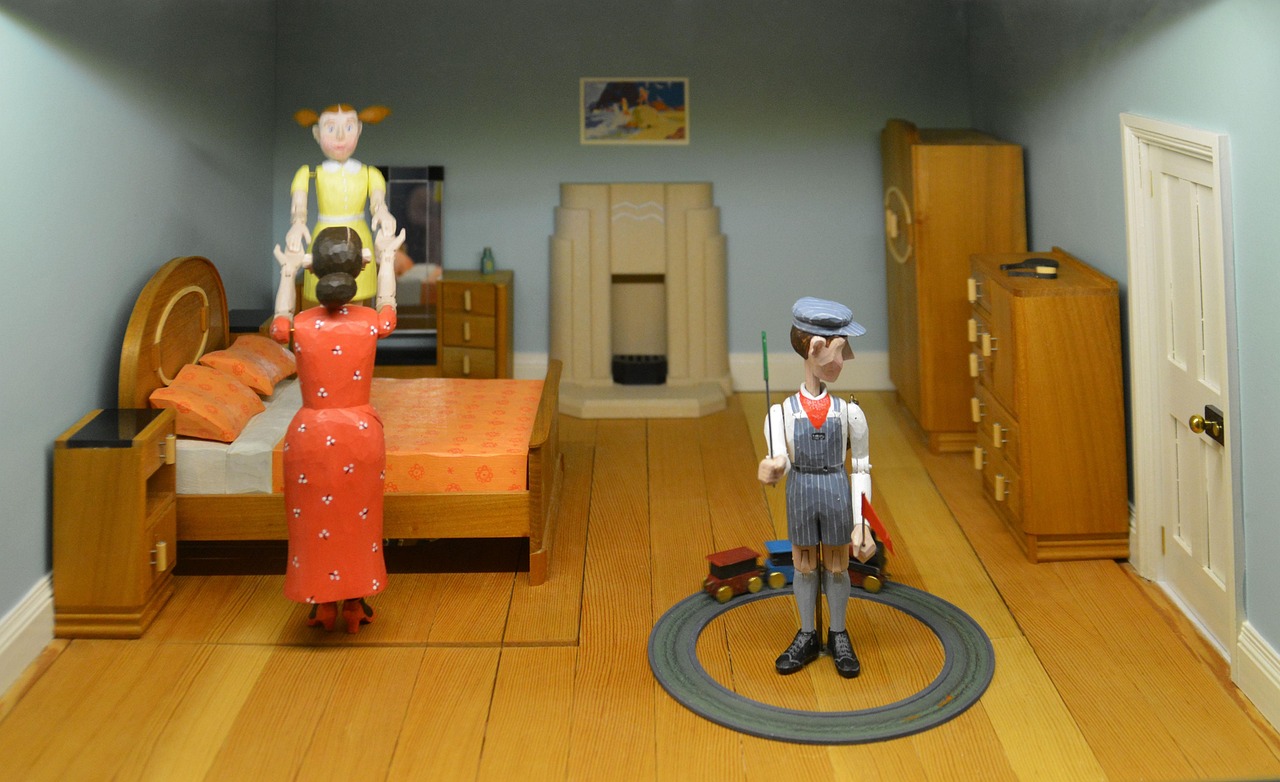
Given a fixed budget, is it better to buy one playset or three single figures? The arithmetic looks straightforward and is not, because a playset and a figure are doing different jobs. Working out which is better value means being clear about what is actually being bought.
The per-figure calculation
Start with the obvious comparison. A playset containing two figures, four accessories, a backdrop and a collector card sits at a certain price. Two single figures at their own price rarely cost much less, so the accessories and backdrop are usually close to free in strict per-figure terms.
That makes playsets look like the clear winner, and for a collector building a display it often is. But per-figure cost assumes the figures are the point, and for a child playing rather than collecting, they may not be.
What a playset actually adds
A playset provides context — somewhere for the figures to be, and a reason for them to be there. That is what extends play from a few minutes of handling into an afternoon of scenarios, and it is the thing single figures cannot supply however many you have.
It also solves storage. A set has a place for its pieces, which means fewer small parts loose on a floor.
What single figures add
Choice, and progress. A collector completing a series wants specific characters, and no playset will supply the exact one missing from a checklist. Singles are also the right answer where a child already owns a playset and needs population for it.
Singles are the better small gift as well: a low price point that is still a real present, and easy to buy several times across a year.
Generation compatibility, again
The one thing that can make a playset poor value is buying it for the wrong generation. Figures from a different generation may not stand in the stands, fit the seats or scale correctly against the backdrop, and the set becomes decoration.
Check generation before comparing prices at all. It is the question that decides whether the comparison is even meaningful.
Accessories are the hidden value
Accessories — the tiny brushes, bowls, hats and props — are far more significant to how a collection is enjoyed than their size suggests, and they are almost never sold separately. A playset is usually the only way to acquire them.
They are also the parts most likely to be lost, which is an argument for a compartment tray rather than against playsets.
Bundles and multi-packs
Bundle sets sit between the two: several figures, minimal accessories, no backdrop. They are the most efficient way to add population to an existing playset and the least interesting thing to unwrap on their own, because there is no single focal item.
For a birthday, a playset unwraps better. For topping up a collection, a bundle is better value.
A simple decision rule
- No collection yet: playset. It gives context and a reason to start.
- Collection but nowhere to put it: playset.
- Playsets already, chasing a checklist: singles or a bundle.
- Buying for a collector who displays rather than plays: singles, chosen by pet number.
- Buying for two children: playset or a game, because a single figure creates an argument.
Condition and resale, briefly
If any part of the purchase is an investment argument, be sceptical. Toy collectible values are unpredictable, depend heavily on unopened condition, and are not something any retailer can responsibly forecast. Buy these because someone will enjoy them.
We do not describe anything on this site as an investment or as appreciating, and we do not grade condition — the boxes are new, sealed, and described as they come from the manufacturer.
Checking before you buy
Each of our listings states the number of figures, the number of accessories, whether a backdrop or collector card is included, the generation and series, and the age guidance. Those five facts are enough to make the comparison properly.
Compare across playsets and collectible figures, or send us two links and we will tell you what is in each box.
Storage is part of the value
A playset that has somewhere to put its own pieces reduces the number of small parts loose in a house, which matters more than it sounds. A set with an integral tray or a closing case tends to stay complete; one where the accessories simply sit on a surface tends not to.
When comparing two sets at a similar price, whether the box itself functions as storage is a reasonable tiebreaker.
Long-term play value
Watch how a set is played with over the first month. Playsets that create a scenario — a shop, a stage, a vehicle — usually sustain interest longer than ones that mainly display figures on a stand.
That distinction is often visible in the product photography: a set shown with figures interacting is usually designed for play, while one shown as a neat row on a plinth is designed for display. Both are legitimate, and knowing which you are buying prevents a set being quietly abandoned after a fortnight.