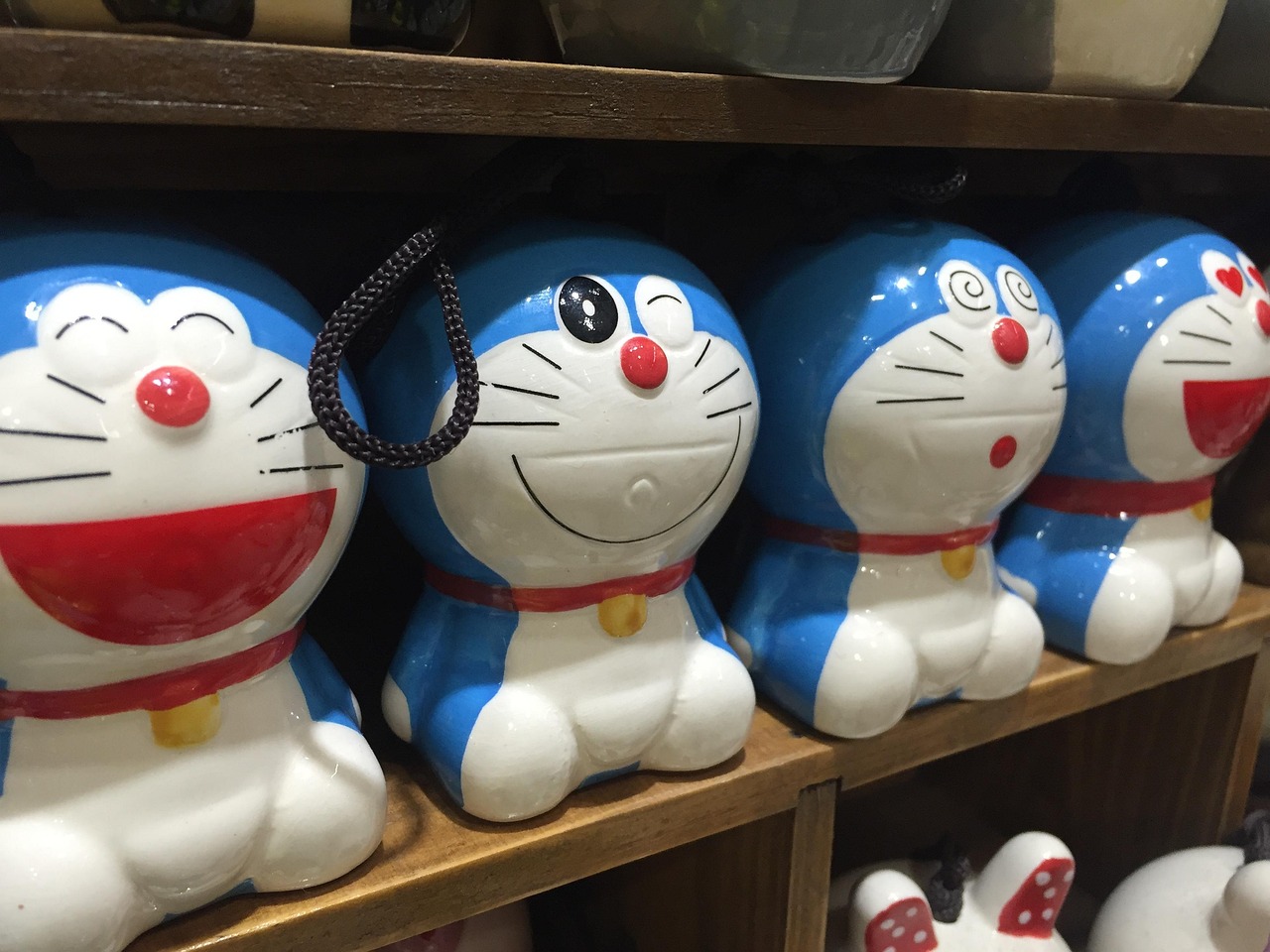
A collection of small figures is mostly at risk from three things, none of which are dramatic: dust, ultraviolet light, and contact between soft plastics. Handled sensibly, figures last decades. Handled carelessly, a shelf of them will look tired within two years.
Dust is the main enemy
Dust on a matte plastic figure does not brush off cleanly once it has been there a while — it works into the texture and into painted detail. An enclosed case is dramatically better than an open shelf, and a cheap acrylic case with a lid outperforms an expensive open display every time.
For open display, a soft make-up brush used every few weeks is far better than an occasional deep clean. Compressed air is fine at a distance but can drive dust further into crevices at close range.
Sunlight fades everything
Direct sun will fade painted detail and yellow white and light-coloured plastics, sometimes noticeably within a single summer. Pinks and purples are usually the first to go.
Keep a display out of direct sun, or at least off a south-facing windowsill. Yellowing of older white plastic is a chemical change and is not reversible by cleaning, whatever the internet suggests.
Soft plastics and contact
Many small figures are made from soft PVC containing plasticisers. Over years, plasticiser can migrate — which is why two soft figures pressed together for a long time can stick, and why a soft figure stored against a painted surface can lift the paint.
Practical measures: do not store figures pressed tightly together, do not store them in contact with printed card, and do not keep them in a sealed bag long-term where migrated plasticiser has nowhere to go. A little air is better than an airtight box.
Accessories and small parts
The accessories are what go missing, and a figure without its accessory is worth less to a collector and less interesting to a child. A compartment tray with a lid, stored beside the display, is the whole solution.
Label compartments by series if the collection is large enough for that to matter. A bead organiser from a craft shop does this job better than anything sold as a toy storage product.
Boxes: keep or recycle
For a collector, the box is part of the item. For a child’s collection, it is clutter. Both positions are reasonable, and the decision is worth making deliberately rather than by default.
If keeping boxes, flatten them only if the box is designed to fold; forcing a glued box flat creases the print. Store them out of light and away from damp, ideally in a lidded box rather than a loft, where temperature swings will warp card.
Cleaning a figure
Lukewarm water, a drop of mild detergent, and a soft brush. Rinse, then dry fully with a soft cloth and air-dry before returning it to a case — trapped moisture is what causes mildew spots on painted detail.
Avoid alcohol, solvents and any household cleaner containing them. They will remove printed detail instantly and permanently. Test anything unfamiliar on the underside of a base first.
Display ideas that work
- Shallow acrylic cases with lids, stacked, so each series has its own.
- A printer’s tray or a spice rack for small figures, mounted out of direct sun.
- Risers inside a case so the back row is visible.
- A small label per shelf with the generation and series, which makes gaps obvious.
Moving a collection
Pack figures individually in tissue rather than loose in a box, and keep them upright if they have thin limbs or tails. The most common transport damage is a bent or snapped accessory, not a broken figure.
Keep the checklist with the box, and photograph each shelf before dismantling it. Reassembling a display from a photograph takes minutes; reassembling it from memory takes an evening.
Several of our house kits include stackable dustproof display cases, and the figures themselves are in collectible figures.
Humidity and lofts
A loft or a garage is the worst place to store a collection. Temperature swings cause condensation, card packaging warps and softens, and paper inserts foxing is common within a couple of years.
An interior cupboard at room temperature is far better, and a box with a loose lid is better than a sealed plastic tub, which traps whatever moisture was in the air when it was closed.
Insurance and inventory
For a collection of any size, a simple inventory with photographs is worth keeping — a spreadsheet with generation, series, numbers and roughly what each cost. It takes an evening once and updates in seconds.
Beyond making duplicates unlikely, it is what a household insurer will ask for if a collection is damaged, and a list written after the fact is much harder to substantiate than one that existed already. Keep a copy somewhere other than the same house.